
Heroin Rehab in Prescott, AZ
Evidence-Based Heroin Addiction Treatment
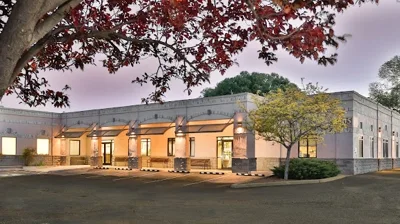
Are you or a loved one struggling with heroin use? Has it become an addiction that has damaged parts of your personal and professional life? The first step in recovery is admitting you have a problem, and the second step for so many people is coming to Decision Point Center located in Prescott, Arizona.
We are a drug rehabilitation center that utilizes the tried-and-true Therapeutic Community model to guide you to recovery with comfort and creativity. We personalized our recovery programs to everyone who comes to us for help, which plays a major role in securing lasting sobriety.
When we take in a new client, we review the following to customize their treatments:
- Information regarding past family trauma
- Job or career expectations
- Nutritional and medical needs
- Psychiatric and psychological evaluations, if any exist
- Everything can play a role in why you began using or become addicted to heroin, so we leave nothing overlooked when designing your recovery program. It is all part of the Decision Point Center difference that sets us apart from other rehabilitation centers in Arizona.
On This Page:
- Heroin Addiction Treatment Programs Tailored to You
- What Is Heroin?
- Warning Signs of Heroin Addiction
- Symptoms of Heroin Withdrawal
- Long-Term Effects of Heroin Use
- How to Help a Heroin-Addicted Loved One
- Prioritizing Your Comfort, Recovery & Convenience
- Heroin Rehab FAQs
Call Decision Point Center today at (844) 292-5010 or contact us online and speak with a member of our team.
Our Programs
Heroin Addiction Treatment Programs Tailored to You
The path to recovery and sobriety can be intimidating when you travel it alone. Thanks to the genuinely caring and compassionate professionals at Decision Point Center in Arizona, you do not need to continue without support and real guidance. We take the time to get to know you and your unique situation so we can be confident that we are providing the best possible heroin addiction treatments and therapies, and never anything created in a “cookie-cutter” process.
Treatment for heroin addiction starts by administering medically monitored detox to eliminate the substance from your body. As soon as you are stabilized and not affected by the physical effects of heroin, you will ready to overcome your addition through our inpatient care and available programs. Since we understand that everyone doesn’t recover in the same way and at the same time, we are also prepared for long-term recovery.
What Is Heroin?
Heroin is an opiate drug derived from poppy plant seeds. It can take the form of white powder, brown powder, or black tar. The drug can be injected, smoked, or snorted, giving users a feeling of euphoria, warm feeling to the skin, and relaxation. Unfortunately, dependency can result in physical and psychological withdrawals that leaves addicts feeling miserable without the drug.
Heroin is considered one of the most addictive drugs in the world. According to the 2020 National Survey on Drug Use and Health, roughly 691,000 people in the United States meet the clinical requirements for heroin use disorder. Over the past couple decades, many people have developed a heroin addiction after taking painkillers for pain. After exhausting their prescriptions, they often turn to heroin.
Warning Signs of Heroin Addiction
Signs of heroin addiction include:
- Slurred speech
- Needle marks
- Dilated or constricted pupils
- Hostile or erratic behavior
- Poor job or academic performance
- Isolation from friends and loved ones
- Stealing money for drugs
- Significant weight loss
- Shortness of breath
- Constant itching
Recognizing Heroin Withdrawal Symptoms
Users typically begin experiencing withdrawal symptoms between 6 and 12 hours after their last dose. Heroin withdrawal symptoms are often similar to those of prescription opioids, though because heroin leaves the user's system more quickly than painkillers, withdrawal symptoms have an earlier onset.
The following are symptoms of heroin withdrawal:
- Intense cravings
- Nausea
- Vomiting
- Cold sweats
- Chills
- Bone and muscle pain
- Fever
- Anxiety
- Severe cramping
- Insomnia
The duration of heroin withdrawal will vary depending on the length of time the user abused heroin, the size of doses they took each time, how often they used, the method of which they used (injecting, smoking, etc.), and whether or not they suffer from additional physical or mental health issues.
Call Decision Point Center today at (844) 292-5010 or contact us online and speak with a member of our team.
Understanding the Long-Term Effects of Heroin
Here are the long-term effects of heroin addiction:
- Heart disease
- Liver disease
- Seizures
- Infections
Effective treatment for heroin addiction is required to eliminate or reduce withdrawals and the negative consequences of continued use in order to improve our patients’ well-being. Our staff is committed to reducing dependency, reducing criminal behavior, improving physical and mental health, and helping patients reenter the employment field and become integrated into society once again.
How to Help a Heroin-Addicted Loved One
If you know someone struggling with heroin addiction, urge them to seek help. While it may be uncomfortable to approach them about their struggles, speaking up and letting them know you are concerned could potentially be the push they need to turn their life around. You could be saving their life.
If your loved one is in need of heroin addiction treatment:
- Learn as much as you can about heroin addiction so you can better empathize with their situation and understand exactly what they are going through.
- Approach them from a place of compassion, not judgment.
- Plan out what you want to say in advance. If it helps, write down your thoughts and feelings.
- Understand that they may react negatively. They may not realize the extent of their addiction or they may be in denial. Be persistent, but understand that you cannot force someone to seek help.
- If they agree to seek treatment, stay involved in their recovery. Be the support they need when they need it most.
- If your loved one refuses to acknowledge an obvious problem, consider staging an intervention with professional help.
Tailoring Your Heroin Recovery Journey in Arizona
You are seen as the individual you are at our Arizona heroin rehab and detox center. When heroin addiction has caused you to suffer serious health complications, to lose a job, or to destroy valued personal or romantic relationships, we are here to make certain you have the strength and the tools needed to recover. We do whatever we can to reduce the stress of the overall situation, including accepting most major insurance plans and providing useful information about addiction to your family so they can better support you during this time as well.